

Scar Management in Dubai at FutureMed Clinic. Acne Scars, Surgical Scars, Keloids
Scars are not just a surface issue. They are a structural change in the skin and sometimes the deeper tissue. That is why the best scar management is not one magic treatment. It is a plan that matches your scar type, your skin type, and your timeline.
At FutureMed, scar management is approached clinically. We assess the scar, identify its behavior, then choose the right combination of treatments to soften texture, improve color, and restore smoother skin quality over time.
What scar management really means
Scar management is the process of improving how a scar looks and feels by targeting these core elements:
- Texture: raised, indented, uneven, or tethered scars
- Color: red, brown, dark, or pale scars
- Thickness: hypertrophic scars and keloids
- Symptoms: itching, tightness, discomfort
- Function: scars that restrict movement or distort nearby skin
The goal is not perfection. The goal is meaningful improvement, better blending, and a scar that becomes less noticeable and less active.
Types of scars and why type matters
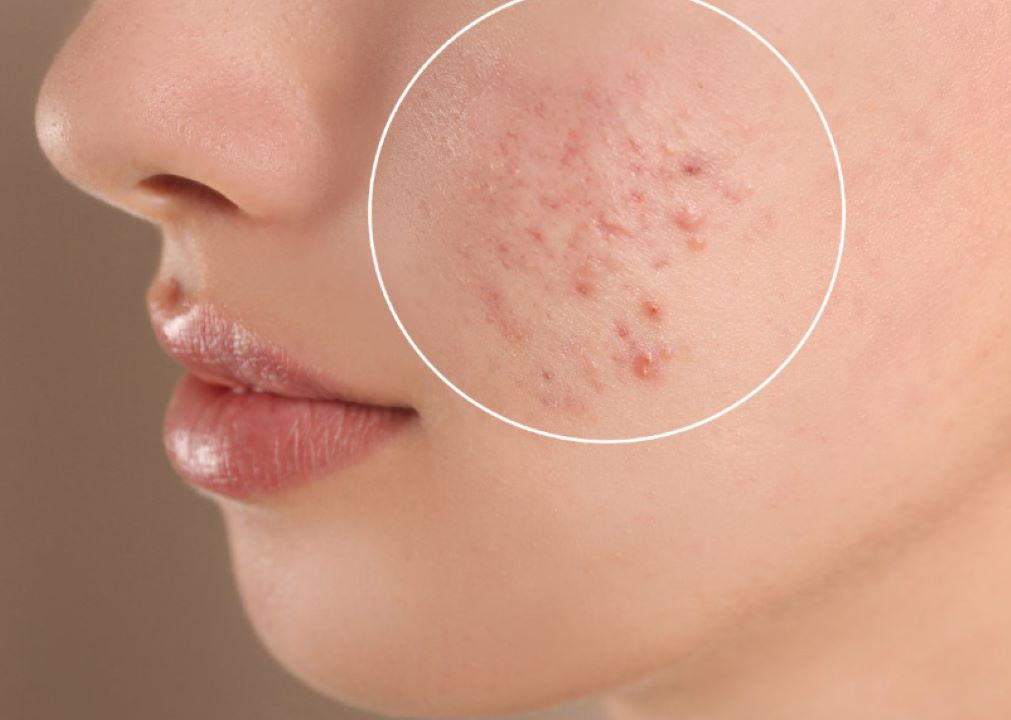
1) Acne scars
Acne scars are usually a mix of:
- Rolling scars: broad depressions with soft edges
- Boxcar scars: sharper edged depressions
- Icepick scars: narrow, deep pits
- Post-acne marks: pigment or redness without true scarring
Each type needs a different strategy. For example, deep tethered scars often need release plus collagen remodeling, not just surface treatments.
2) Surgical scars
Surgical scars can be flat and pale, or thick and raised. Their behavior depends on:
- Closure technique
- Skin tension
- Aftercare
- Genetics and scar tendency
Early management often gives better outcomes than waiting until the scar matures.
3) Hypertrophic scars
These are raised scars that stay within the original wound boundary. They can respond well to structured scar protocols when treated early.
4) Keloid scars
Keloids grow beyond the original wound boundary. They can be persistent and may recur. They usually require a careful plan with long-term follow-up.
5) Stretch marks
Stretch marks are a form of dermal scarring. They respond differently depending on whether they are:
- New and red
- Older and pale
Scar assessment. The step most clinics skip
Before choosing any device or injection, a proper scar evaluation should include:
- Scar age and how it has changed over time
- Raised vs indented vs mixed pattern
- Color profile (redness, pigmentation)
- Thickness and symptoms (itching, tenderness)
- Skin type and pigmentation risk
- History of keloids, delayed healing, or strong inflammation
- Current acne activity (very important for acne scarring)
This is how you avoid spending on treatments that do not match your scar.
Scar management treatments in Dubai
Your plan may include one or more of the following, depending on scar type and skin type.
Collagen remodeling for texture
Best for indented scars and uneven texture:
- RF microneedling protocols
- Medical microneedling
- Fractional resurfacing in selected candidates
These treatments aim to stimulate controlled healing and collagen support, which gradually smooths texture.
Scar release for tethered scars
Best for rolling scars that feel “stuck” to deeper tissue:
- Subcision techniques in selected cases, often paired with collagen stimulation
This is often what makes the biggest difference for certain acne scars.
Targeting scar color and marks
Best for redness and pigmentation that makes scars stand out:
- Vascular-focused approaches for persistent redness
- Pigment-safe brightening protocols and pigment management plans
- Sun protection and barrier repair to prevent worsening
Color improvement is often underestimated. A scar that is flatter but still dark or red can remain very visible.
Injectables for raised scars
Best for hypertrophic scars and many keloid patterns:
- Targeted injections used in structured protocols
- Long-term monitoring to reduce recurrence risk
Medical-grade scar care and silicone
For many surgical scars and raised scars, topical scar care is not optional. It is a foundation.
- Silicone gel or silicone sheets can support flattening and better scar behavior when used consistently, especially early.
Surgical scar revision
Selected scars respond best to revision when:
- The scar is mature and stable
- The position or width is the main concern
- Non-surgical options have limited benefit
A revision is still followed by a scar prevention plan, otherwise the scar can return to poor behavior.
What results to expect
Scar improvement is usually gradual. A realistic expectation is:
- Better blending
- Smoother texture
- Less visible edges
- Reduced redness or pigmentation
- Reduced thickness and symptoms in raised scars
Most scar protocols need a course of sessions. Your clinician should set a timeline that matches scar biology, not marketing.
Scar management timeline
This is a practical timeline many patients relate to:
Early scars (first weeks to months)
Best window for:
- Silicone protocols
- Redness control
- Tension reduction strategies
- Early intervention for raised scar tendency
Mature scars (6 to 12 months and beyond)
Best window for:
- Texture remodeling sessions
- Scar release techniques if needed
- Resurfacing approaches in selected candidates
- Revision planning if indicated
Aftercare that protects your results
Scar management outcomes often fail because aftercare is weak. Key rules:
- Daily sunscreen on exposed areas, every day
- Avoid picking, rubbing, or aggressive exfoliation on healing skin
- Keep skincare simple after procedures until cleared
- Follow silicone protocols consistently if recommended
- Treat active acne first if acne scars are the main concern
Who should postpone scar treatments
You may need to delay certain scar procedures if:
- You have active infection or open lesions
- You have inflamed acne flares in the area
- You recently had strong sun exposure or tanning
- You are prone to post-inflammatory pigmentation and your skin barrier is irritated
- You have uncontrolled medical conditions affecting healing
A safe clinic will prioritize skin stability before intensity.
Choosing a safe scar clinic in Dubai
Scar management should be performed in a licensed medical facility with licensed clinicians aligned with Dubai Health Authority standards.
Before you book, ask:
- What scar type do I have, and why
- What is the treatment sequence, and what changes first, texture or color
- How many sessions do you recommend, and what is the spacing
- What is the risk of pigmentation in my skin type, and how will you reduce it
- What is the aftercare plan, and what should I avoid
- If I have a raised scar tendency, what is the long-term control plan
FAQ. Scar management in Dubai
Can scars be removed completely
Most scars cannot be fully erased. They can often be improved significantly, especially with the right combination plan.
How many sessions will I need
It depends on scar type and severity. Many texture protocols need 3 to 6 sessions, sometimes more, spaced over months.
Do acne scars need different treatment than surgical scars
Yes. Acne scars are often mixed and may need scar release plus collagen remodeling. Surgical scars often respond well to early scar care and targeted thickness and color management.
What is the best single treatment for scars
There is rarely one best treatment. Combination planning usually wins, because scars have multiple components.
Book a scar assessment at FutureMed Clinic Dubai
If you want a real improvement plan, start with an assessment. We will identify your scar type, map the best sequence, and choose treatments that match your skin and your timeline.
If you tell me which scar type you want to target first (acne scars, surgical scar, C-section scar, keloid, stretch marks), I will rewrite this into a dedicated landing page with tighter Dubai keyword clusters, service FAQs, and WhatsApp conversion copy for FutureMed.